
The Mausoleum at Halicarnassus: One of the Seven Wonders of the Ancient World
The Mausoleum at Halicarnassus is one of the most magnificent structures of the ancient world and is recognized as one of the Seven Wonders of the Ancient World. Located in modern-day Bodrum, this extraordinary monument attracts thousands of history enthusiasts every year. For travelers exploring the region through a Bodrum city tour, the mausoleum is one of the most important historical attractions to visit.
The History of the Mausoleum at Halicarnassus
The Mausoleum at Halicarnassus was commissioned by Carian Satrap Mausolos to preserve the glory of his reign after death. However, after Mausolos passed away in 353 BCE, the construction was completed by his wife and sister, Artemisia.
Today, the site remains one of the top attractions featured in every comprehensive Bodrum travel guide, offering visitors a glimpse into the artistic and architectural achievements of the ancient world.
Construction and Architectural Features
Architects and Building Materials
Some of the most renowned architects and sculptors of the era contributed to the construction of the mausoleum. White marble from Marmara Island and green stones from the Koyunbaba Quarry in Bodrum were used during the building process.
The architects responsible for the design were Pytheos, who also designed the Temple of Athena in Priene, and Satyros. Ancient sources describe Pytheos’s work as so refined that little additional decoration was needed.
The Four Main Sections of the Mausoleum
The mausoleum was built on a large terrace measuring approximately 105 x 242 meters and consisted of four major sections:
High Podium
The massive base that supported the entire structure.
Ionian Colonnade
A section featuring 36 elegant Ionic columns surrounding the tomb.
Stepped Pyramid Roof
A 24-step pyramid-shaped roof rising above the columns.
Quadriga Statue
At the very top stood a monumental chariot drawn by four horses, carrying statues of Mausolos and Artemisia.
The structure reached an estimated height of 50 meters, combining Greek and Egyptian architectural influences in a unique and innovative design.
For visitors researching what to do in Bodrum, the mausoleum represents one of the city's most significant archaeological landmarks.
Art and Sculptural Masterpieces
Famous Sculptors of the Mausoleum
The decorative reliefs and sculptures were created by some of the greatest artists of the 4th century BCE:
- Scopas – East Side
- Leochares – West Side
- Bryaxis – North Side
- Timotheus – South Side
The Symbolic Quadriga
The famous Quadriga on the roof was designed by Pytheos and symbolized the power, prestige, and victory of Mausolos.
The artistic quality of these sculptures contributed greatly to the mausoleum’s reputation as one of the Seven Wonders of the Ancient World.
Mausolos' Burial Chamber and Ancient Rituals
After the completion of the monument, the ashes of Mausolos were placed inside a chamber located within the podium. The entrance was permanently sealed.
According to the customs of the time, various animals were sacrificed near the tomb as part of funerary rituals intended to assist Mausolos on his journey into the afterlife.
Destruction and Transformation Through the Centuries
Earthquake Damage
The Mausoleum at Halicarnassus survived for nearly 1,650 years before a major earthquake in 1304 CE caused severe damage.
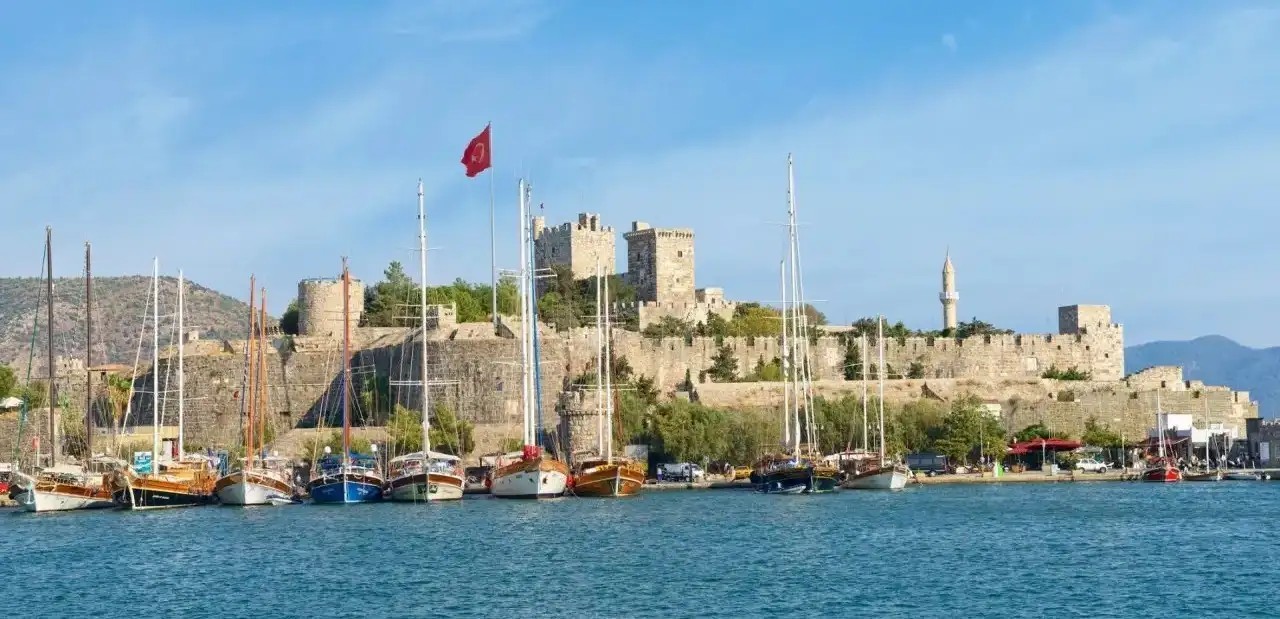
Construction of Bodrum Castle
Following the destruction, the Knights of St. John dismantled many of the remaining stones and used them in the construction of Bodrum Castle, further reducing the monument to ruins.
Today, both the mausoleum and Bodrum Castle are essential stops on many Bodrum things to do itineraries for visitors interested in culture and history.
Archaeological Excavations and Discoveries
Charles Newton's Excavations
In 1857, British archaeologist Charles Newton conducted extensive excavations at the site under permission granted during the Ottoman period. He documented and transported many important artifacts to the British Museum in London, where they remain on display today.
Danish Archaeological Research
Between 1966 and 1977, a Danish archaeological team led by Professor Kristian Jeppesen from Aarhus University carried out scientific excavations that provided a detailed understanding of the monument’s layout and construction.
The Mausoleum Museum
What Visitors Can See
Established in 1982, the Mausoleum Museum displays many of the findings uncovered during archaeological excavations.
The museum includes:
- A reconstruction model of the mausoleum
- Original relief fragments
- Excavated artifacts
- Architectural remains
- Ancient water channels and offering areas
Many visitors include the museum as part of their Bodrum city tour experience to better understand the monument's historical significance.
Visiting the Mausoleum Today
A Must-See Historical Attraction
The Mausoleum at Halicarnassus remains one of the most important archaeological sites in Türkiye and an essential destination for anyone interested in ancient history.
Whether you are planning a cultural holiday, looking for excursions from Bodrum, or searching for unique historical attractions, the mausoleum offers a fascinating journey into the past.
Why It Belongs in Every Bodrum Travel Guide
No complete Bodrum travel guide would be complete without mentioning the Mausoleum at Halicarnassus. As one of the most remarkable achievements of ancient architecture, it continues to inspire historians, archaeologists, and travelers from around the world.
The Legacy of the Mausoleum at Halicarnassus
The term "mausoleum," now used worldwide to describe monumental tombs, originates directly from Mausolos and his extraordinary tomb.
Despite centuries of earthquakes, human intervention, and natural decay, the surviving foundations continue to tell the story of one of the greatest architectural masterpieces ever built.
If you are wondering what to do in Bodrum, exploring the remains of the Mausoleum at Halicarnassus should be at the top of your list. It is one of the most rewarding Bodrum things to do, offering visitors a rare opportunity to experience one of the Seven Wonders of the Ancient World while enjoying unforgettable excursions from Bodrum and discovering the rich cultural heritage of the region.
Reviews